
The back-to-school season brings new teachers, new classrooms, and plenty of reunions with friends. It can also bring something parents would rather leave behind: head lice.
After a summer filled with camps, sleepovers, travel, and close contact with other children, the weeks before school are a good time to check your child’s hair and know what to look for.
Why Back-to-School Is a Good Time for a Lice Check
Head lice spread mainly through direct head-to-head contact, which can happen when children play, share sleeping spaces, travel together, or spend extended time in close contact.
A child can have lice without obvious symptoms. In fact, itching may take several weeks to develop during a first infestation. That means a child may finish a busy summer looking and feeling completely normal even if lice are present.
Consider checking your child after:
- Sleepaway or day camp
- Sleepovers
- Group travel or family vacations
- Extended time with other children
- Any known exposure to head lice
If you are unsure whether you are seeing lice, nits, dandruff, or something else, Lice Sisters can provide a professional head check and help determine whether treatment is actually needed.
After a Busy Summer, Here’s What to Check
Whether your child spent the summer at camp, sleeping over at friends’ houses, traveling, or simply spending more time with other children, a careful head check before school starts can help you know where things stand.
Start in a well-lit area and work methodically through the hair. Part the hair into small sections and look closely near the scalp, especially:
- Behind the ears
- Around the hairline
- At the nape of the neck
- Throughout the scalp in small sections
Live lice are the clearest sign of an active infestation. Nits are attached firmly to individual hair shafts and cannot easily be brushed or flicked away like dandruff.
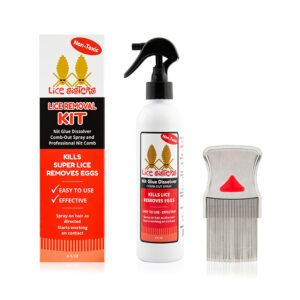
For a more thorough check, use a fine-toothed metal lice comb such as the Lice Sisters Nit Comb. Starting close to the scalp, pull the comb through the hair from root to end and wipe it on a damp white paper towel between passes. This makes it easier to see anything the comb removes.
Continue through small sections of hair rather than making only a few quick passes. Thick hair may need to be divided into even smaller sections.
Finding lice has nothing to do with cleanliness. Head lice can affect anyone, and identifying an infestation early can make it easier to address.
What If Your Child Has Lice Before School Starts?
If you find live lice or suspect an active infestation, focus first on confirming what you are seeing and choosing an appropriate treatment.
A professional lice clinic can examine the hair, determine whether there is an active case, and provide treatment options such as thorough comb-outs and nit removal.
If you are treating at home, careful combing is an important part of the removal process. Lice Sisters recommends working through small sections with a professional metal nit comb, beginning close to the scalp and combing through to the ends. Wipe the comb clean between passes so you can see what is being removed.
Other members of the household should also be checked, particularly anyone who has had close head-to-head contact with the affected child.
Not everyone in the household automatically needs treatment. As we explain in our guide, One Child Has Lice: What Should the Rest of the Family Do?, the first step is determining who is actually affected.
Should You Tell the School?
It can be helpful to notify your child’s school nurse, teacher, or appropriate staff member if your child has an active case of head lice.
School policies vary, but current public-health guidance does not recommend sending otherwise healthy children home early solely because head lice are found. Children generally can return to school after appropriate treatment has begun.
Sharing the information with the school can also help staff and other families know what to watch for without creating unnecessary alarm.
Back-to-School Lice Prevention Starts With Awareness
You do not need to turn the start of school into a daily lice inspection. Instead, make lice awareness part of your normal back-to-school routine.
Know what lice and nits look like. Encourage children to avoid direct head-to-head contact when possible. Check their hair after camps, sleepovers, travel, and known exposures rather than waiting for itching to appear.
Keeping a quality metal lice comb at home can also make it easier to perform a thorough check when you have a concern. The Lice Sisters Nit Comb is designed with closely spaced metal teeth to help remove lice and nits while you work through the hair section by section.
If your child had a busy summer and you are unsure what you are seeing, a professional lice check can provide a clear answer before the school year gets underway.
Lice Sisters provides professional head lice checks, lice removal, treatment support, and at-home lice products for families in Metro Detroit and through Lice Sisters locations across the country.
Find a Lice Sisters location or contact Lice Sisters to schedule a head check or treatment appointment.